Arkansas Removes Over 546,000 Pounds of Unwanted Pesticides - A Win for Community Health, Agriculture, and Soil Stewardship
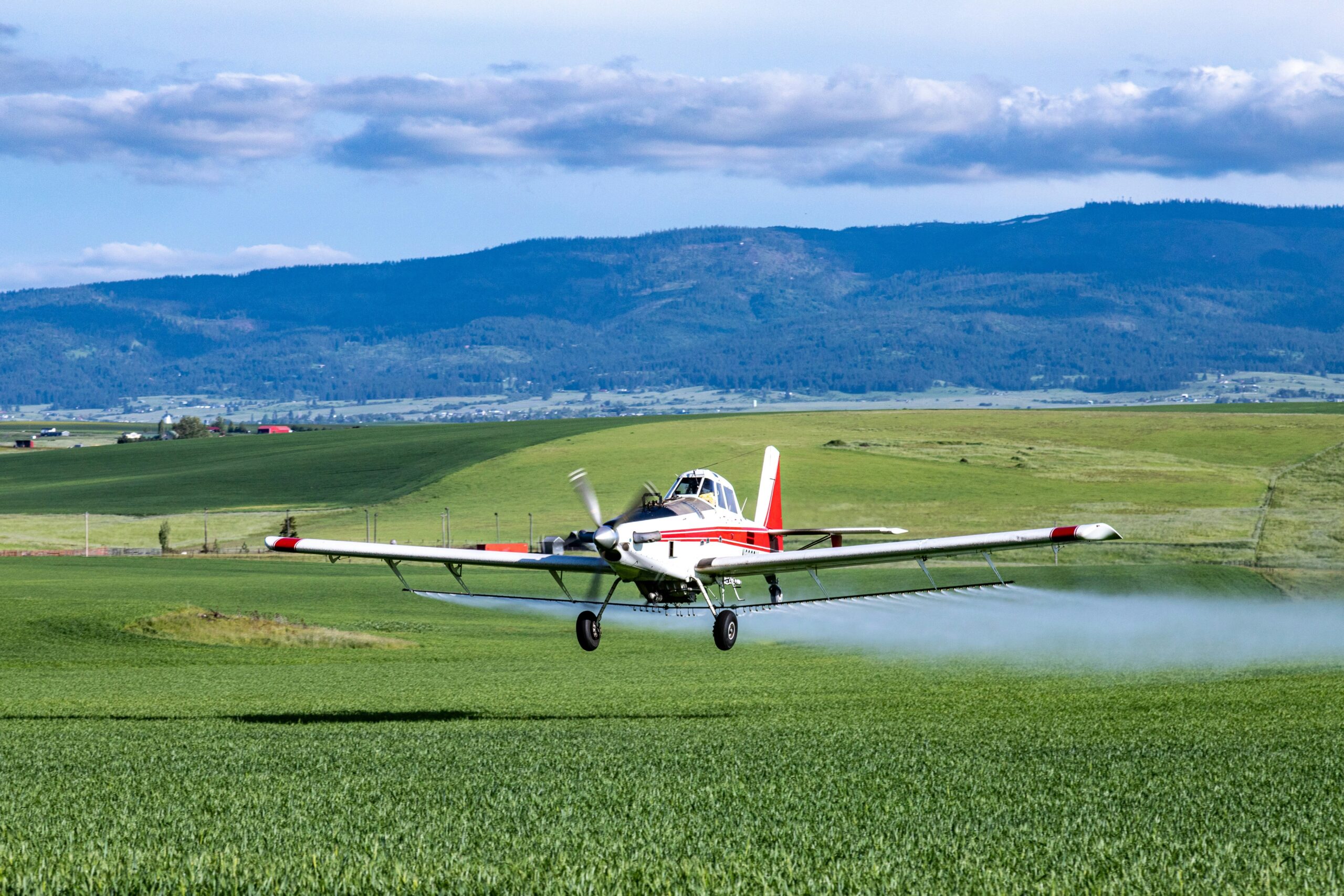
The Arkansas Department of Agriculture recently collected more than 546,000 pounds of unwanted or outdated pesticides across 12 counties, an important move toward safeguarding public health and protecting natural ecosystems. This effort is part of the state’s long-running Agricultural Abandoned Pesticide Program, which since 2005 has removed nearly 7 million pounds of harmful chemicals from farms and rural properties.
While the numbers themselves are impressive, the message behind them is even more powerful: healthier soils, safer communities, and more sustainable agriculture.
Why Responsible Disposal Matters
Old pesticides don’t just take up space, they can contaminate soil, pollute water sources, harm wildlife, and create health risks for farmers and residents. Chemicals like lindane, chlordane, 2,4,5-T, sodium cyanide, and calcium arsenate have histories tied to environmental damage and are no longer safe or practical for modern use.
Improper storage of these chemicals can lead to:
- Soil contamination that threatens long-term agricultural viability.
- Polluted water sources affecting local ecosystems and drinking water.
- Harm to wildlife caused by exposure to outdated toxic substances.
- Health risks for the farmers and residents living nearby.
The collection program gives landowners a free and anonymous way to get these substances off their property and out of their communities.
At LGMSoil.com, the Mission is Simple
Improve soil health using clean, sustainable, and organic amendments, free from harmful pesticides, fillers, or contaminants.
By focusing on soil mixes and amendments crafted from natural, biologically active materials, LGM Soil helps:
- Strengthen soil structure.
- Support beneficial microbes.
- Promote healthier plant growth.
- Reduce reliance on synthetic chemicals.
- Encourage long-term land stewardship.
When states work to eliminate legacy pesticides, and companies like LGM Soil promote organic growing solutions, it creates a full-circle impact, cleaner land, healthier crops, and safer communities.
A Cleaner Future for Farming
Arkansas’s pesticide cleanup is more than a one-time event, it’s a reminder that stewardship matters. Removing nearly 7 million pounds of pesticides over the life of the program is a win for:
- Soil health
- Water quality
- Pollinators and wildlife
- Farmers and families
- Future generations
And with companies like LGM Soil providing clean, sustainable alternatives for growers, the path forward becomes even clearer.
Cleaner inputs. Cleaner land. Healthier agriculture.
Where LGM Soil Fits In
Efforts like this highlight why companies such as LGM Soil exist in the first place. This alignment between public initiatives and private industry reflects a growing movement: A shift away from chemical-heavy agriculture and toward soil-first sustainability.
What’s Next for Arkansas
The Department of Agriculture plans additional collection events for Spring 2026, with tentative locations in counties such as Clay, Crittenden, Cross, Greene, Jackson, and White.
As more landowners clear out outdated pesticides, it opens the door to adopting safer and more regenerative soil practices, areas where LGM Soil continues to lead through high-quality organic amendments.