Basic Sustainability to Active Regenerative Practices
At LGM Soil, we believe every step toward healthier soil is a step toward a healthier planet. Whether you are a home gardener, a commercial grower, or part of an agricultural operation, understanding the difference between basic sustainability and regenerative practices can transform the way you approach your land.
What is Basic Sustainability in Soil Management?
Basic sustainability focuses on maintaining soil health so that your land stays productive over time. This includes:
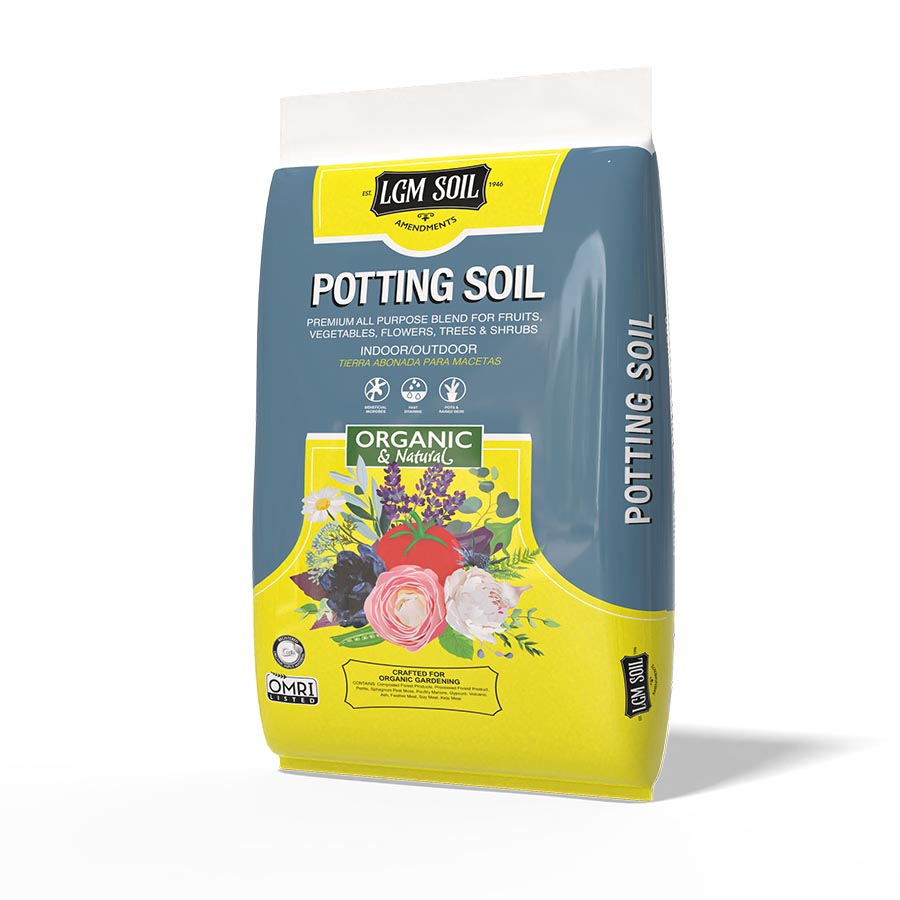
- Conserving water and nutrients: Using products that support moisture retention while feeding plants responsibly. For example, Potting Soil blends from LGM Soil are premoistened and ready to use, helping conserve water by reducing evaporation.
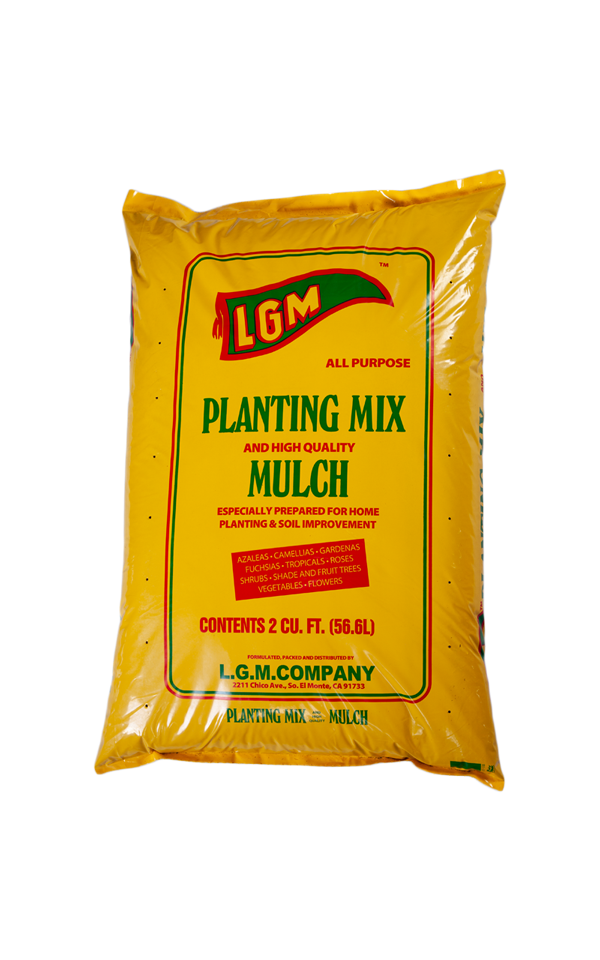
- Maintaining fertility: Adding highquality soil mixes to nourish the soil rather than strip it. Planting Mix is designed to improve soil conditions for flowers, shrubs, trees, and vegetables.
- Protecting soil surface: Mulching can conserve moisture and suppress weeds. Shredded Cedar Bark Ground Cover & Mulch provides effective weed control while keeping soil cool and moist.
These practices help preserve what you already have while supporting steady growth year after year.
Moving Beyond Sustainability
Once sustainability is established, active regenerative practices help restore and enhance the soil ecosystem, improving soil structure, increasing biodiversity, and boosting natural nutrient cycles. Regenerative practices include:
- Adding organic soil components: Using products like Organic Potting Soil, which contains composted forest products, peat moss, and beneficial microbes to improve overall soil biology.
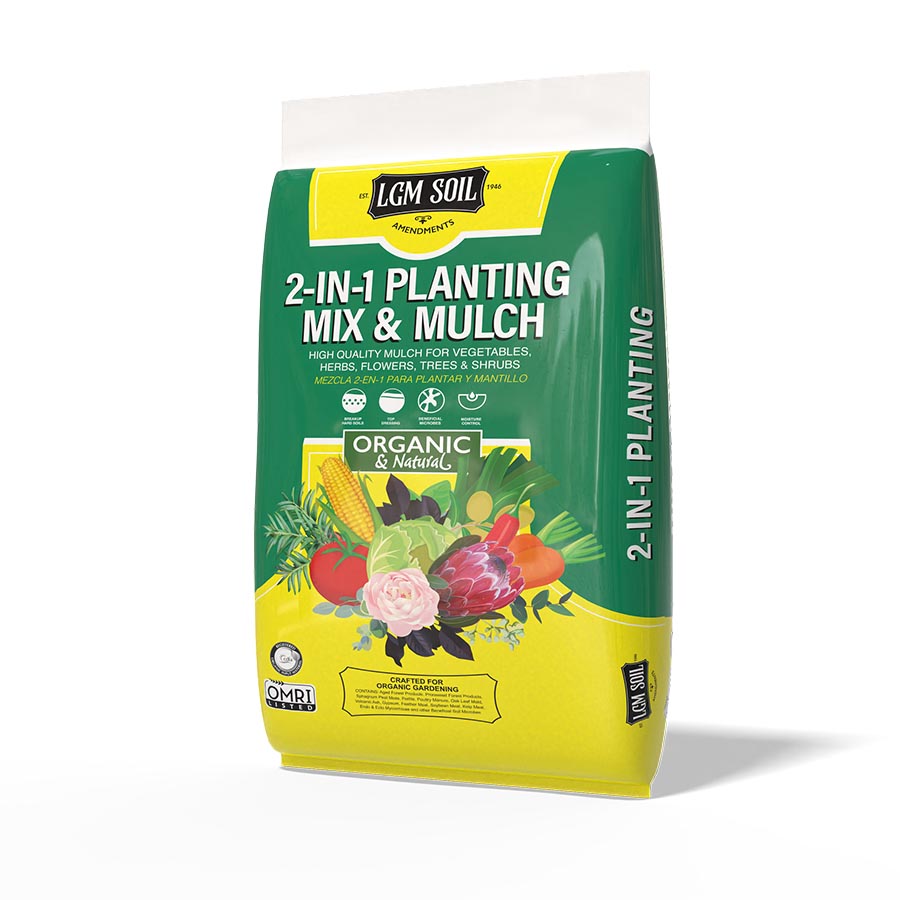
- Top dressing and mulch layering: Spread Organic 2IN1 Planting Mix & Mulch to both condition the soil and protect the root zone from extreme conditions. This product combines the benefits of mulch with planting mix for a dual effect.
- Supporting soil microorganisms: Organic mixes contain beneficial microbes that help nutrient cycling and root health, foundational to regenerative systems.
- Improving moisture management and aeration: Strategic use of soil blends and mulch keeps soil better balanced against drought or heavy rains.
By adopting these practices, growers do much more than maintain soil. They build soil resilience and vitality for the long term.
Benefits for Growers
Implementing regenerative practices with the right products brings benefits for both business and home growers:
- Stronger plant growth and yields: Quality soil blends like Planting Mix and Organic Potting Soil provide balanced nutrition and structure that support root development and plant vigor.
- Water efficiency: Premoistened products and mulch layers help reduce the need for frequent watering.
- Enhanced soil life: Organic components increase microbial activity, which improves nutrient availability naturally.
- Reduced erosion and weed pressure: Mulches such as Cedar Bark Ground Cover & Mulch help protect soil surfaces.
Getting Started
Transitioning from sustainability to active regeneration is a journey, but it can start with simple steps:
- Assess your soil condition: Know your current soil structure and nutrient levels.
- Start with foundational products: Incorporate Planting Mix and Organic Potting Soil to build strong soil foundations.
- Add mulch and protective layers: Applying Shredded Cedar Bark Ground Cover & Mulch around planting beds to conserve moisture and suppress weeds.
- Observe and adapt: Watch how plants respond and adjust your soil approach season to season.
Every change, no matter how small, adds up to greater soil health and stronger plant performance.
Conclusion
Whether you are tending a home garden or managing a large farm, moving from basic sustainability to active regenerative practices sets a foundation for long-term success and environmental stewardship. By using thoughtful soil products like Potting Soil, Planting Mix, and Organic 2IN1 Planting Mix & Mulch, growers can nourish the earth while growing stronger, more resilient plants.