Testing the pH and Microbial Activity in My Soil
Healthy soil is the foundation for strong plants, abundant harvests, and thriving ecosystems. Two key indicators of soil health are pH and microbial activity. Understanding these factors can help home gardeners, commercial growers, and agricultural operations make informed decisions to improve soil productivity naturally.
Why Soil pH Matters
Soil pH measures how acidic or alkaline your soil is on a scale from 0 to 14. Most plants grow best in slightly acidic to neutral soil, generally between pH 6 and 7.5. Soil pH affects:
- Nutrient availability: Certain nutrients become less accessible if the soil is too acidic or too alkaline.
- Microbial activity: Beneficial soil organisms thrive in specific pH ranges, helping break down organic matter and release nutrients.
- Plant health: Soil that is too acidic or too alkaline can lead to poor growth, yellowing leaves, or reduced yields.
Regularly testing your soil pH allows you to adjust your practices to optimize plant growth and overall soil health.
How to Test Soil pH
Testing soil pH is simple and can be done in a few ways:
- Soil Test Kits: These kits are widely available and provide a quick reading. Mix a small amount of soil with water or the provided solution and compare the color change to the chart included.
- pH Meters: Digital pH meters offer precise measurements. Insert the probe into moist soil and read the value directly.
- Laboratory Testing: For commercial growers or those seeking highly accurate results, sending a soil sample to a professional lab provides detailed analysis, including pH and nutrient content.
Understanding Microbial Activity
Microbial activity reflects the life and diversity of organisms in your soil. Healthy soils are full of bacteria, fungi, protozoa, and other microorganisms that:
- Break down organic matter into nutrients plants can use
- Improve soil structure and aeration
- Protect plants from pathogens
- Enhance water retention and root growth
Monitoring microbial activity helps you measure soil vitality and the effectiveness of organic amendments, composts, and regenerative practices.
How to Test Microbial Activity
There are several ways to assess soil microbial activity:
- Soil Respiration Tests: These measure the carbon dioxide released by microbes in the soil. Higher CO2 output generally indicates active microbial populations.
- Microbial Biomass Tests: Laboratory tests can measure the total microbial biomass and diversity in your soil.
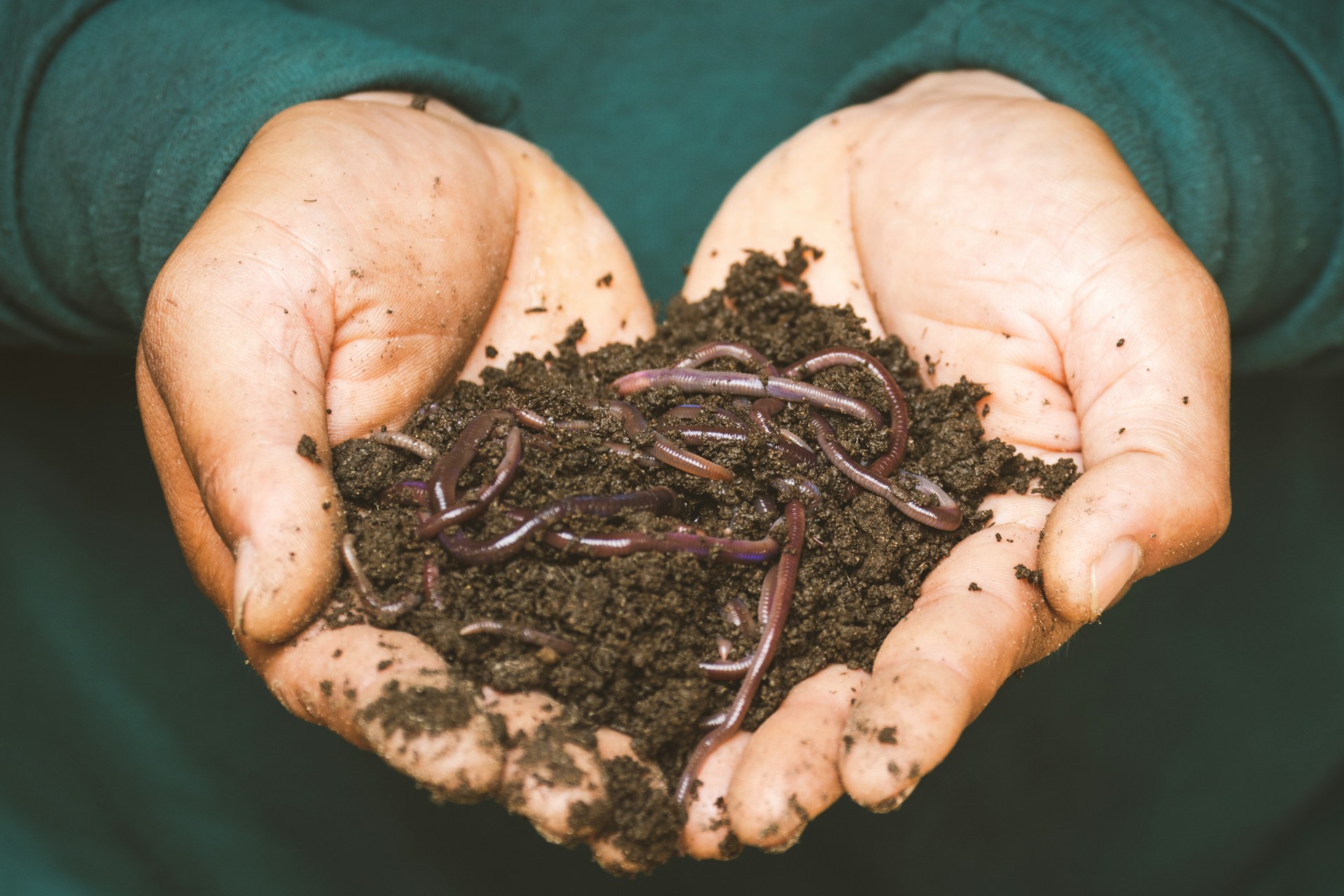
- Simple Observation Methods: Look for healthy soil structure, a crumbly texture, and the presence of earthworms and other soil life. These are indirect indicators of microbial activity.
Tips for Accurate Soil Testing
- Collect soil samples correctly: Take multiple samples from different areas and depths to get an accurate picture.
- Avoid contamination: Use clean tools and containers to prevent skewed results.
- Test regularly: Soil health changes over time. Seasonal testing helps track trends and improvements.
- Combine tests with observation: Microbial activity can also be assessed by observing plant health, root development, and soil texture.
Every change, no matter how small, adds up to greater soil health and stronger plant performance.
Conclusion
Testing pH and microbial activity is a crucial step in understanding and improving your soil. By regularly monitoring these indicators, you can make informed decisions to optimize plant growth, increase nutrient availability, and maintain a thriving soil ecosystem. Whether you are a home gardener or a commercial grower, knowing your soil is the first step toward sustainable and regenerative practices.