
Microbial Inoculants and Bio-stimulants: Unlocking Healthy Soil and Thriving Plants
Healthy soil is the foundation of thriving plants, whether you are growing food for your family, managing a commercial farm, or cultivating ornamental gardens. Two powerful tools in modern soil science are microbial inoculants and bio-stimulants. These natural enhancers work with your soil ecosystem to improve nutrient availability, plant resilience, and overall productivity.
LGM’s Foundational Approach to Soil Health
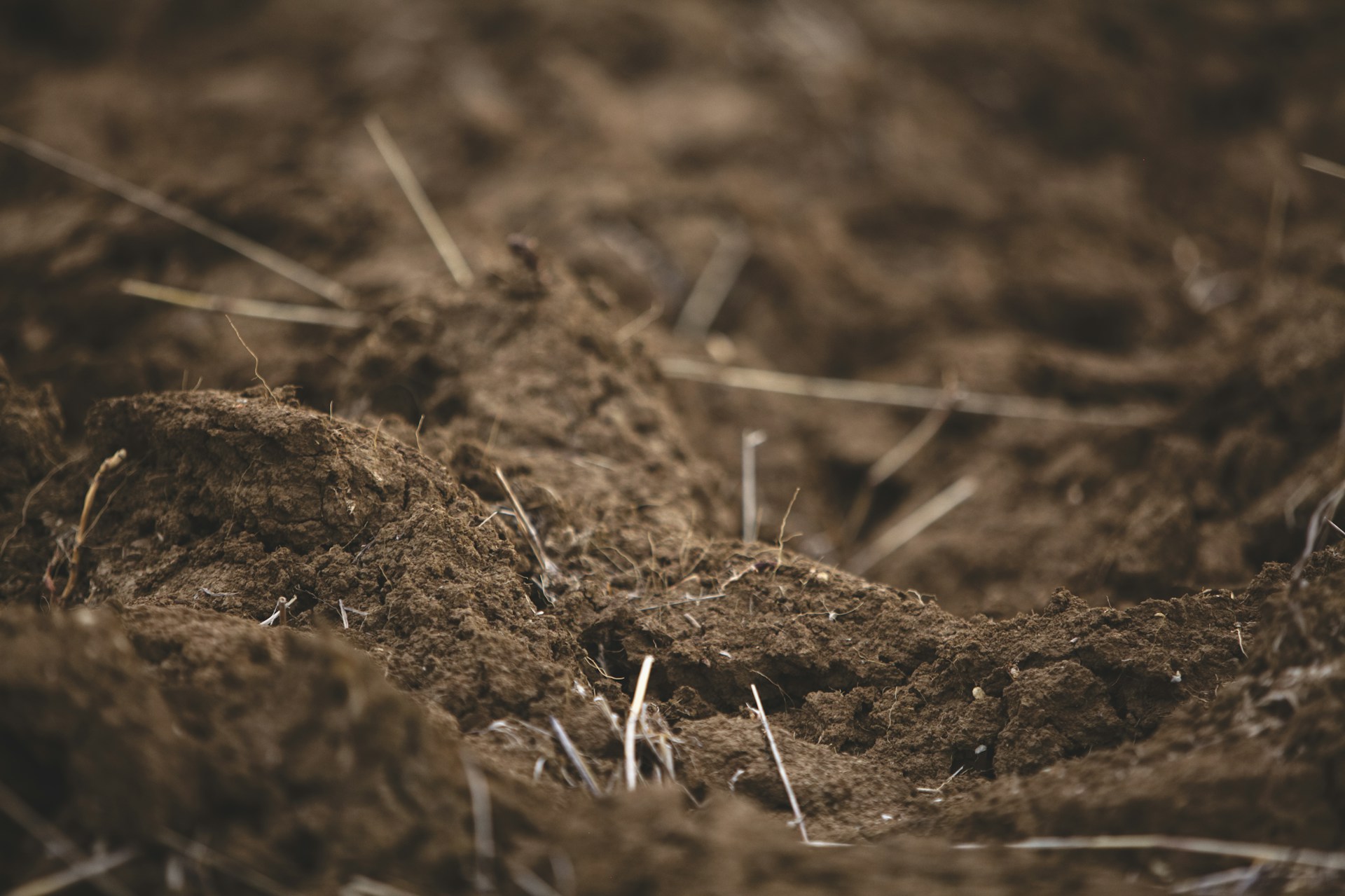
Our philosophy is simple: healthy soil is alive soil. This means nurturing the organisms, nutrients, and structures that allow plants to grow strong and resilient. By integrating microbial inoculants and bio-stimulants into soil management practices, we support both the biological and chemical processes that drive plant health.
From home gardens to large-scale agricultural operations, LGM’s approach focuses on:
- Building soil life: Encouraging beneficial microbes that break down organic matter, cycle nutrients, and protect roots.
- Enhancing plant resilience: Using natural stimulants to strengthen root systems and help plants withstand stress from heat, drought, or pests.
- Creating regenerative systems: Combining microbes, stimulants, and organic matter to continually improve soil over time rather than simply maintaining it.
What Are Microbial Inoculants?
Microbial inoculants are beneficial microorganisms added to soil or seeds to enhance the natural biology of the soil. They help:
- Increase nutrient availability by fixing nitrogen or decomposing organic matter.
- Improve soil structure, which boosts aeration, water retention, and root growth.
- Protect plants naturally by competing with harmful pathogens and supporting a balanced soil ecosystem.
Incorporating these microbes aligns with LGM’s philosophy of working with nature rather than against it, creating soils that are alive, fertile, and resilient.
What Are Bio-stimulants?
Bio-stimulants are substances that enhance plant growth by stimulating natural processes. Unlike fertilizers, they do not provide direct nutrients. Instead, they:
- Activate root development, enabling plants to access nutrients and water more efficiently.
- Increase stress tolerance, helping plants survive drought, temperature extremes, and environmental challenges.
- Support microbial activity, strengthening the soil ecosystem that sustains long-term fertility.
When combined with microbial inoculants, bio-stimulants create a synergistic system that reinforces soil life and plant health.
Benefits for Growers
Implementing microbial inoculants and bio-stimulants as part of a regenerative soil approach offers multiple advantages:
- Stronger plants and higher yields through improved nutrient cycling and root development.
- Reduced reliance on chemical inputs, since natural soil processes provide nutrients and protection.
- Greater resilience against weather extremes and pests, thanks to healthy soil biology.
- Environmental stewardship, as regenerative practices sequester carbon, conserve water, and support biodiversity.
Getting Started
Transitioning to a regenerative approach can begin with small steps:
- Understand your soil: Test for pH, structure, and microbial activity.
- Incorporate microbial inoculants and bio-stimulants: Support the living ecosystem in your soil.
- Feed the soil naturally: Combine these practices with organic matter, cover crops, or mulches.
- Observe, adapt, and grow: Monitor soil health and plant performance to refine your approach over time.
Conclusion
At LGM Soil, microbial inoculants and bio-stimulants are more than tools—they are part of a foundational philosophy of regenerative soil management. By nurturing soil life, supporting plant resilience, and building ecosystems rather than simply maintaining them, growers can enjoy healthier plants, richer soil, and sustainable results that last for years to come.