

Why Agricultural Neighborhoods Are Taking Root in California
Community farming and regenerative soil solutions are shaping the future of sustainable living
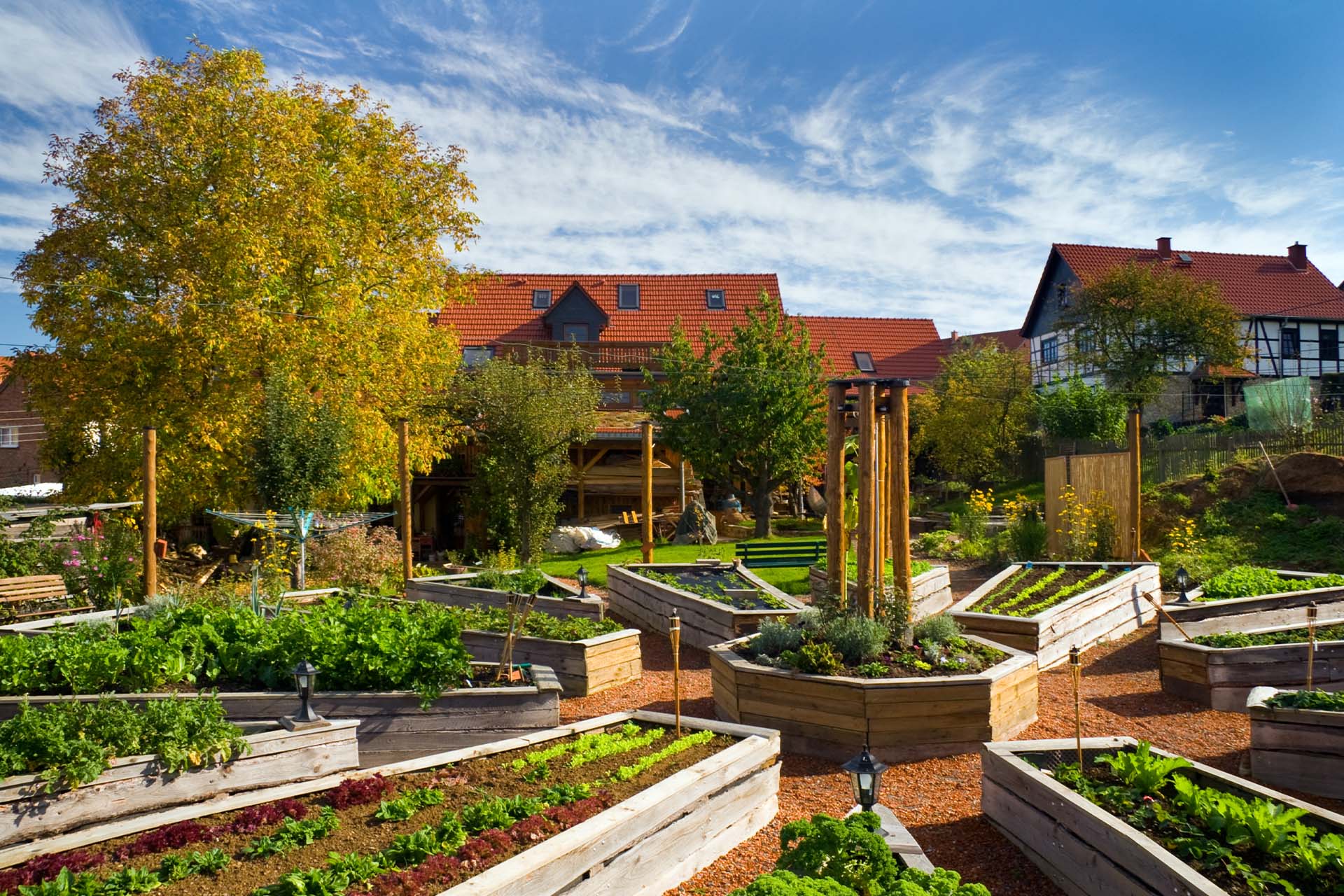
Imagine waking up and seeing a working farm just steps from your front door. Instead of golf courses or strip malls, you’re surrounded by fruit trees, herb gardens, and rows of vegetables planted by your neighbors—or maybe even by you. What a concept, right?
This is the reality in growing several agricultural neighborhoods (also known as agrihoods) across California. These communities are reimagining suburban life by placing community farming, fresh food, and ecological sustainability at the heart of neighborhood design. And as Californians increasingly search for healthier, greener, and more connected lifestyles, agrihoods are becoming more than just a trend—they’re a movement.
What Is an Agricultural Neighborhood?
An agricultural neighborhood is a planned residential community built around shared agricultural space—like a farm, vineyard, orchard, or edible landscape. These spaces are more than decorative; they produce food that’s often shared among residents or sold locally.
Agrihoods often feature
The goal is simple: reconnect people with the land and the food they eat, while building stronger, more self-sufficient communities.
- On-site farmers or gardening teams
- Seasonal produce shares (similar to a CSA program)
- Composting and waste-reduction systems
- Community events centered on food and sustainability
- Educational programs for kids and adults
Why California Is Perfect for Agrihoods
California isn’t just the breadbasket of the United States—it’s a cultural leader in eco-conscious living. With its diverse climates, long growing seasons, and strong agricultural heritage, the state is uniquely suited for residential farming models.
Plus, many Californians are looking for alternatives to traditional suburban life. Rising concerns about food security, supply chain fragility, and environmental impact are driving families to seek homes in communities that reflect their values.
From Northern California’s wine country to Southern California’s inland valleys, developers are answering the call with communities that include farmland as an amenity—not an afterthought.
It All Starts With the Soil
One thing every successful agrihood has in common? Healthy, living soil.
That’s where companies like LGM Soil come in. Based in California, LGM Soil specializes in regenerative agriculture and custom soil solutions that help communities grow food sustainably—without synthetic chemicals or harmful practices.
Healthy soil isn’t just about better crops—it’s about cleaner water, higher nutrient content, and resilient ecosystems. For agricultural neighborhoods, it’s the foundation that everything else grows from.
Our services include:
- Soil testing and analysis to match crops with the right amendments
- Organic soil-building products like compost teas and microbial inoculants
- On-site consultation and land planning for residential and community farms
- Education on long-term land health and biological soil fertility
Regenerative Farming Meets Modern Living
What makes California’s agrihoods especially powerful is how they combine modern living with regenerative land use. These neighborhoods aren’t just consuming resources—they’re giving back.
With support from soil experts like LGM Soil, these communities can maintain productive farmland while also improving the land over time.
By adopting regenerative farming practices, agrihoods can:
- Sequester carbon and combat climate change
- Improve local biodiversity and pollinator health
- Reduce urban heat islands and increase groundwater retention
- Create jobs in sustainable agriculture and education
A New Kind of Community
Beyond food, agrihoods bring people together. Residents share gardening tips, join planting days, and cook meals with ingredients grown just a few feet from their kitchens.
Parents love that their children get to learn how food is grown—from seed to harvest. Many communities include outdoor classrooms, greenhouse spaces, or seasonal workshops on composting, pollinators, and cooking with fresh ingredients.
In a world where technology often pulls people apart, agricultural neighborhoods bring us back to our roots—literally.
Looking Ahead
The rise of agricultural neighborhoods in California is more than just a design shift—it’s a cultural one. As more people search for homes that align with their environmental values, health goals, and desire for connection, agrihoods offer a compelling answer.
By centering food, land, and community, these neighborhoods are showing what the future of sustainable living can look like. And thanks to regenerative partners like LGM Soil, that future is not only possible—it’s already growing.