Thriving Garden: Working With Nature
Many gardeners spend time searching for the perfect plants, fertilizers, or pest solutions. While those tools can be helpful, some of the most successful gardens share a simpler secret: they work with nature instead of against it.
Whether you're growing vegetables, attracting pollinators, or protecting your plants from curious wildlife, understanding how nature functions can help you create a healthier, more productive garden
Understanding Your Garden Visitors
Have you ever planted seeds or transplanted flowers only to find the soil disturbed the next morning?
Squirrels are often the culprit. While gardeners may view them as pests, squirrels are simply following natural instincts. They are attracted to loose soil because it provides an ideal place to bury and retrieve food.
Instead of relying on harsh deterrents, gardeners can work with nature by making planting areas less appealing. Adding mulch, decorative stones, or protective covers around newly planted containers can discourage digging while preserving the health of your plants.
Understanding why wildlife behaves a certain way allows gardeners to create solutions that are both effective and environmentally friendly.
Nature Knows More Than We Think
A growing gardening movement known as "chaos gardening" is encouraging people to embrace a more natural approach to planting.
The concept involves scattering a variety of seeds and allowing nature to influence which plants thrive. While successful gardens still require some planning, the idea highlights an important lesson: nature often creates balanced ecosystems when given the opportunity.
Many gardeners are using native flowers and plants to support pollinators, beneficial insects, and local wildlife. Native species are naturally adapted to local growing conditions, making them easier to maintain while providing valuable habitat for bees, butterflies, and other pollinators.
By incorporating native plants into the landscape, gardeners can create beautiful spaces that benefit both their gardens and the environment.
The Common Thread: Healthy Soil
At first glance, squirrels, native flowers, and vegetable gardens may seem unrelated. In reality, they all share one important connection.
Healthy soil.
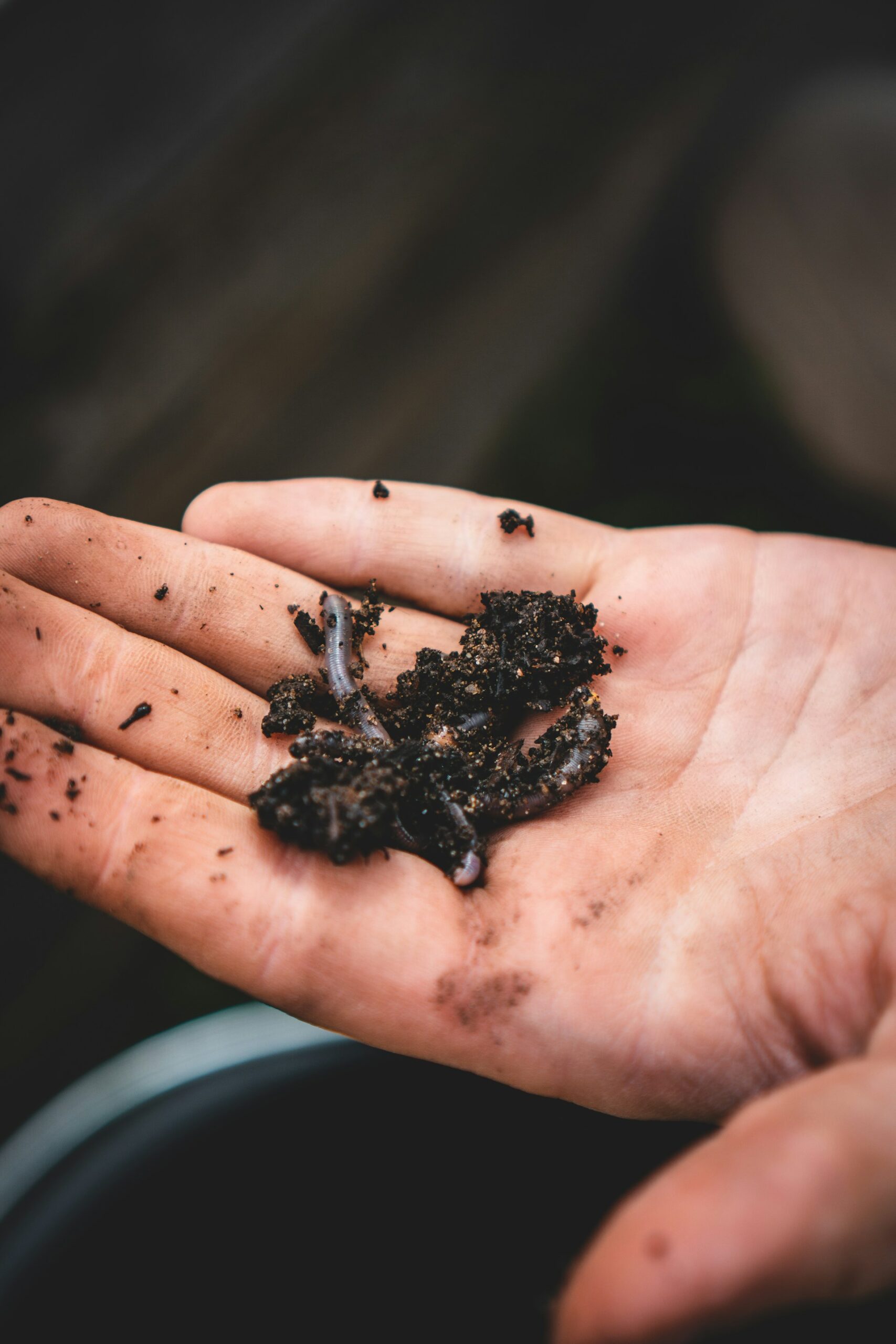
Healthy soil helps vegetable plants develop stronger roots and produce larger harvests. It supports native plants that attract pollinators and beneficial insects. It improves water retention during hot weather and helps plants recover from environmental stress.
Beneath every successful garden is a living ecosystem filled with beneficial microorganisms that support plant growth. These microbes help break down organic matter, improve nutrient availability, and contribute to overall soil health.
When gardeners focus on building healthier soil, many common gardening challenges become easier to manage.
Simple Ways to Improve Garden Soil
Building healthy soil does not have to be complicated.
Small improvements made over time can have a significant impact on plant health and garden productivity.
Consider these simple practices:
- Add organic matter such as compost or aged mulch.
- Use soil amendments to improve structure and nutrient availability.
- Avoid excessive soil disturbance whenever possible.
- Mulch around plants to conserve moisture and protect soil life.
- Rotate vegetable crops to promote long-term soil health.
- Incorporate native plants that support local ecosystems.
Growing Your Own Food Is More Popular Than Ever
More people are discovering the benefits of growing their own fresh produce. Home gardens provide access to nutritious foods while creating a deeper connection to the growing process.
Vegetables such as tomatoes, lettuce, peppers, herbs, zucchini, and beans are among the most popular crops for home gardeners. Even small spaces can produce impressive harvests when properly planned.
Growing food also teaches an important gardening lesson: healthy plants depend on healthy soil.
Creating a Garden That Thrives Naturally
The most successful gardens are not necessarily the most complicated. They are often the gardens that work in harmony with nature.
By understanding wildlife, supporting pollinators, growing your own food, and investing in soil health, you can create a landscape that is both productive and sustainable.
Whether your goal is a thriving vegetable garden, a colorful pollinator habitat, or a beautiful outdoor space, healthy soil provides the foundation for long-term success.
About LGM Soil Amendment
At LGM Soil Amendment, we believe great gardens begin from the ground up. Our soil amendment products are designed to improve soil structure, support beneficial microbial activity, and help gardeners create healthier growing environments.
From raised beds and container gardens to landscapes and vegetable plots, healthy soil is the key to stronger plants, better harvests, and more enjoyable gardening.