

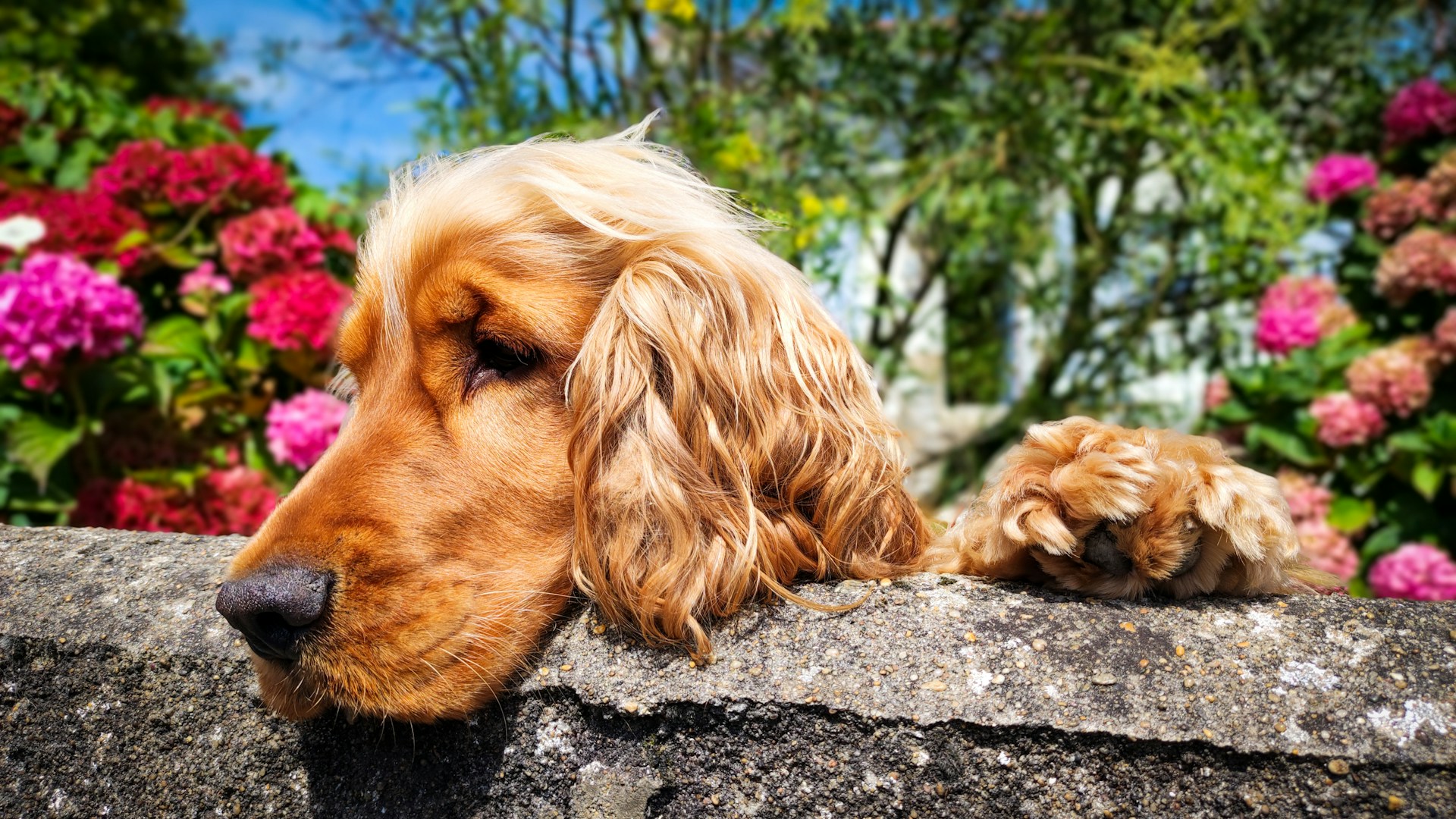
Designing a Garden with Pets in Mind
A good garden invites life in. Not just the kind that blooms, but the kind that runs, digs, naps in the shade, and follows you from bed to bed while you work.
If you garden with a dog at your heels or a cat watching from the edge of the patio, you already know this: your garden isn’t just yours. It’s shared ground.
Designing with pets in mind doesn’t mean sacrificing beauty or productivity. It means building a space that works harder, one that can handle movement, curiosity, and the occasional mess, while still growing strong.
And like everything in the garden, it starts from the ground up.
Where Pet-Friendly Gardens Really Begin
Most gardeners think first about plants. But when pets are involved, structure matters just as much.
Paths become important. Durable surfaces matter. Defined planting areas help guide where pets can and can’t go. Dogs tend to follow the same routes, wearing down grass and compacting soil over time. Without planning, those paths turn into problem areas.
This is where soil plays a bigger role than most expect.
Compacted or poor soil breaks down quickly under traffic. It holds less water, fewer nutrients, and struggles to support healthy root systems. The result is a garden that looks tired no matter how much you plant.
At LGM, the focus is on building soil that can handle real-life use. Blends designed for structure, drainage, and nutrient retention help create planting areas that stay productive, even when the garden is actively used every day.
A strong garden with pets isn’t about keeping them out. It’s about building something resilient enough to include them.
Designing for Movement, Not Against It
Watch your pet in the yard and you’ll quickly see patterns.
There’s the favorite nap spot. The route along the fence. The shaded corner they return to again and again. Good design works with those habits instead of constantly fighting them.
Create natural pathways using decomposed granite, mulch, or compacted soil areas that can take wear. Use raised beds or defined borders to protect planting zones. Give pets a place of their own, a shaded area, a digging zone, or a cool surface during warmer months.
When pets have space designed for them, they’re far less likely to destroy the spaces meant for growing. And when planting areas are supported by healthy, well-structured soil, they recover faster from any impact.
Plants to avoid or keep out of reach include:
Lilies, which are extremely toxic to cats and can cause kidney failure even in small amounts
Sago palm, a popular ornamental plant that can lead to severe liver failure in both dogs and cats
Oleander and azaleas, which can affect the heart and cause serious illness. Tulips and hyacinths, especially the bulbs, which can trigger vomiting and more severe symptoms . Aloe vera, often used for its benefits to humans but irritating and toxic to pets. Foxglove, lantana, and certain bulb plants, which are commonly found in home gardens but pose risks to animals.
Even plants that aren’t deadly can cause digestive issues, irritation, or discomfort.
The safest approach is simple: know what you’re planting and assume anything new should be checked before it goes into the ground.
Building a Garden That Works for Everyone
A pet-friendly garden doesn’t have to feel limited. In fact, many of the most useful plants—herbs, grasses, and hardy flowering varieties are both resilient and generally safe when used appropriately.
Think about layering your garden with purpose. Durable ground covers in high-traffic areas. Strong-rooted plants supported by healthy soil. Raised beds for more delicate crops. Open space for movement.
And underneath it all, soil that can support that balance.
LGM soil products are built for exactly this kind of environment—where the garden is active, used, and expected to perform. Whether you’re improving native soil, building raised beds, or creating defined planting areas, the right soil blend helps stabilize the entire system.
Because when the soil holds structure, plants establish deeper roots. When roots are strong, plants recover faster. And when the garden is resilient, it becomes a place that can be shared without constant repair.
What Not to Plant Around Pets
This is where many gardens run into trouble.
Some of the most common and attractive plants used in landscaping can be harmful to pets if chewed or ingested. It’s not always obvious, and many gardeners only learn after a close call.
Learn more about building better soil for real-life gardens. Call us today 626.448.8042