Succession Planting for California Gardens and Farmsteads
California offers some of the most diverse growing conditions in the country. From the cool, fog-covered coast to the hot, dry inland valleys and high deserts, our state’s microclimates shape how, what, and when we grow. This range of conditions makes succession planting—planting crops in stages for continuous harvests—especially valuable for California gardeners and small farmsteads.
At LGM Soil Amendments, we understand that healthy soil is the foundation of every productive garden. When paired with well-planned succession planting, nutrient-rich soil supports steady yields, reduces waste, and helps growers make the most of every season.
What Is Succession Planting
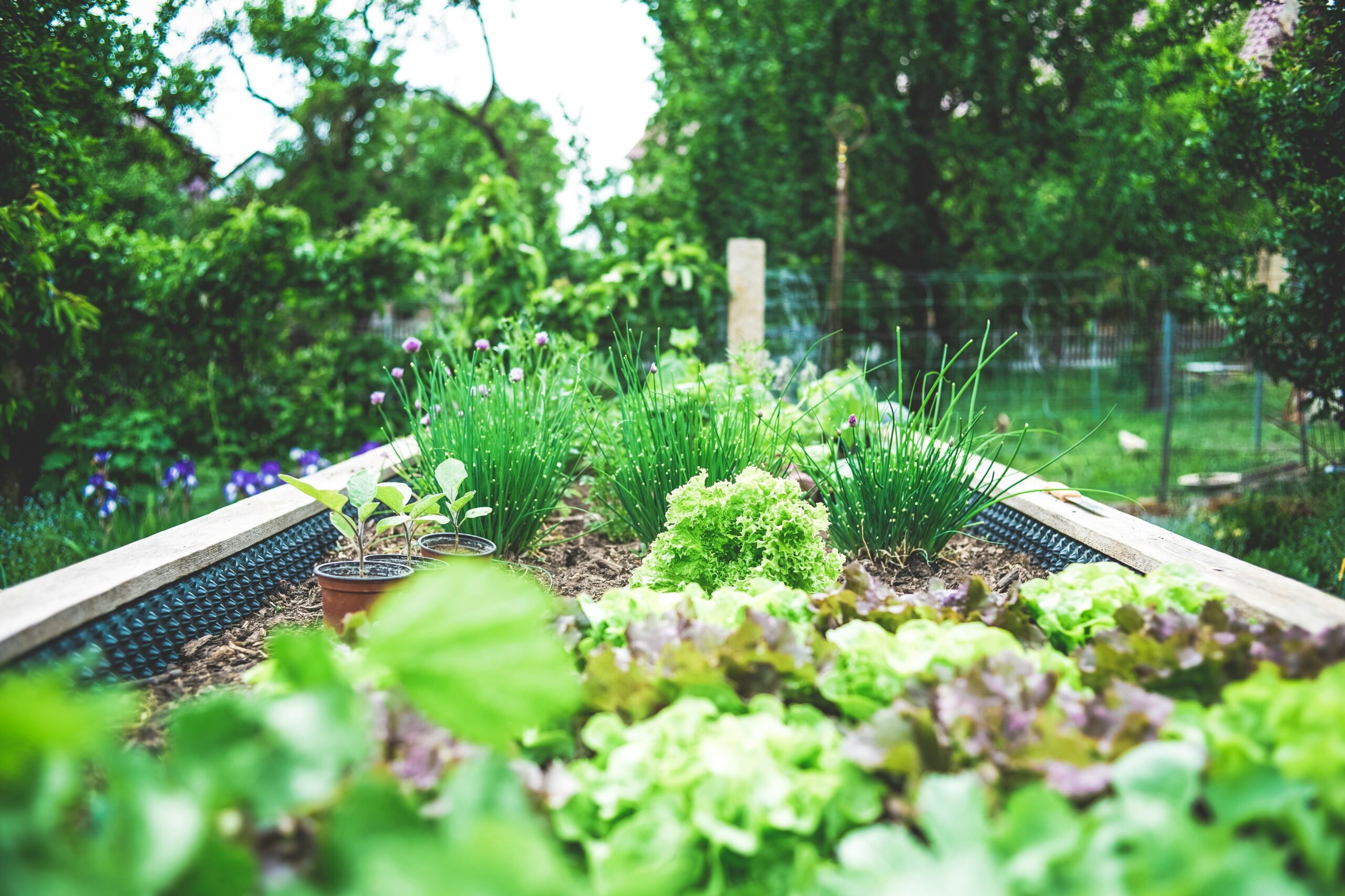
Succession planting is the practice of staggering plantings or replacing crops as soon as they finish producing so that your garden or farmstead continues to yield throughout the season. Rather than planting everything at once and facing a short harvest window, you can maintain consistent growth and production.
According to the University of Florida’s Gardening Solutions, succession planting means “planting crops so that they ripen a few plants at a time.” The University of Maryland Extension defines it as “planting something new in spots vacated by spent plants.”
For California gardeners, this might include:
- Planting fast crops like lettuce or radishes every few weeks.
- Replanting new crops as soon as the first harvest is complete.
- Growing different varieties of the same crop with staggered maturity dates.
- Interplanting crops that mature at different speeds to keep the soil continuously active.
By using these methods, California gardeners and farmsteads can harvest consistently, improve soil health, and reduce idle space.
Understanding California’s Cold and Hot Climates
California’s vast geography creates distinct growing conditions. Knowing whether you are in a cold or hot climate zone will guide your succession planting schedule and crop selection.
Cold Climate Areas
Cold-climate regions in California include coastal areas, foothills, and higher elevations, such as:
- The North Coast (Eureka, Mendocino, Sonoma)
- Sierra Nevada foothills and mountain towns (Auburn, Truckee, Big Bear)
- Central Coast regions with strong marine influence (Monterey, Santa Cruz, Morro Bay)
These areas experience cooler temperatures, foggy mornings, and shorter warm seasons. Frost can occur in late fall and early spring.
Best suited crops: cool-season vegetables such as lettuce, kale, spinach, peas, carrots, broccoli, beets, and onions.
Succession strategy: shorter intervals between cool-season plantings, with replanting in late summer for a second fall harvest.
Hot Climate Areas
Hot-climate regions include inland valleys, deserts, and parts of Southern California, such as:
- The Central Valley (Fresno, Bakersfield, Modesto)
- Inland Empire (Riverside, Temecula, Murrieta)
- High desert and low desert regions (Palm Springs, Lancaster, Barstow)
These areas experience long, hot summers and mild winters, allowing multiple crop cycles per year.
Best suited crops: warm-season vegetables such as tomatoes, beans, peppers, corn, melons, and squash.
Succession strategy: multiple warm-season plantings with soil refreshing between cycles, followed by cool-season crops in fall and winter.
By understanding your local climate, you can plan successions that take full advantage of your growing window while protecting soil structure and fertility.
Why Succession Planting Matters for California Growers
- Longer Harvest Season: California’s wide range of climates makes it possible to grow year-round. Succession planting ensures that even small gardens can produce multiple crops per year, with consistent harvests from early spring through late fall.
- Efficient Use of Limited Space: In both home gardens and small farmsteads, space is valuable. Succession planting keeps every bed or plot in use, ensuring continuous production and minimizing idle soil.
- Sustained Soil Health: Each planting cycle draws nutrients from the soil. Using LGM Soil Amendments between successions replenishes organic matter, restores structure, and maintains a healthy microbial balance for ongoing productivity.
- Reduced Waste: Staggered harvests allow growers to pick manageable amounts of produce rather than facing an overwhelming yield all at once. This is especially beneficial for family gardens and local farm sales.
- Adaptation to Regional Microclimates: Succession planting allows you to adjust your growing schedule to your local conditions. In cooler regions, you can focus on multiple cool-season cycles. In hotter areas, you can plant successive warm-season crops while preparing for a winter rotation of greens or root vegetables.
How to Plan Succession Planting for California Gardens and Farmsteads
- Step 1: Map Your Garden or Plot: Sketch your planting areas and note when each crop will mature. This helps determine when and where the next crop can go. For example, peas can be followed by beans, or lettuce can be replaced with carrots.
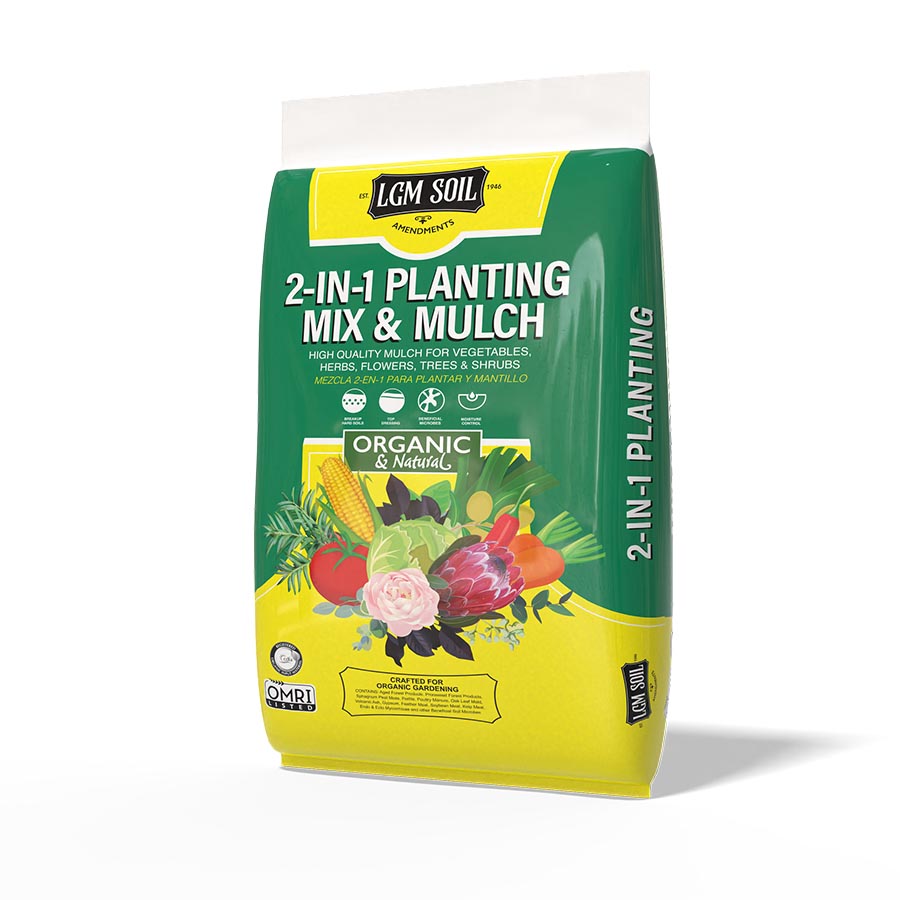
- Step 2: Prepare and Amend the Soil: After each harvest: Remove plant debris and old roots. Loosen and aerate the soil surface. Add LGM Soil Amendments to restore nutrients and organic content. Healthy soil ensures that each new planting starts with the same level of fertility as the first.
- Step 3: Choose Crop Sequences: Examples of effective successions for California include: Spring to Summer to Fall: Lettuce → Beans → Kale. Cool to Warm Transition: Peas → Squash → Carrots. Fast Turn Beds: Radishes → Spinach → Beets.
- Step 4: Stagger Plantings: Instead of planting an entire bed at once, sow the same crop in intervals of two to three weeks. This ensures a continuous harvest rather than a single yield period.
- Step 5: Rotate and Refresh - Avoid planting heavy-feeding crops in the same space. Rotate with lighter feeders or nitrogen-fixing plants such as beans and peas. Refresh each bed with LGM Soil Amendments before replanting to maintain balance and fertility.
- Step 6: Plan for Seasonal Shifts: Cold Climates: Focus on early-spring and late-summer plantings of cool-season crops. Use row covers to extend the growing window. Hot Climates: Take advantage of early spring and late fall for cool-season crops, while rotating heat-tolerant vegetables through summer.
Example Rotation for a California Farmstead
| Season | Crop 1 | Followed By | Notes |
|---|---|---|---|
| Winter | Spinach | Radishes | Add compost before replanting |
| Spring | Lettuce | Beans | Beans fix nitrogen and enrich soil |
| Summer | Corn | Squash | Alternate between root and leaf crops |
| Fall | Kale | Garlic | Apply organic matter after harvest |
Repeating this type of rotation improves soil fertility, reduces pest buildup, and maintains steady production across the year.
Tips for Successful Succession Planting
- Keep soil covered with living plants, mulch, or cover crops to protect moisture and structure.
- Track planting and harvest dates in a notebook or app to refine future planning.
- Always replenish nutrients between crops using LGM Soil Amendments.
- Monitor crop maturity times carefully and adjust planting intervals to fit your local temperature range.
- Pay attention to microclimates within your property. A south-facing bed may support more successions than a shaded or cooler area.
The Value of Succession Planting
Succession planting helps California gardeners and farmsteads work with the state’s diverse climates to grow more efficiently and sustainably. When combined with nutrient-dense soil from LGM Soil Amendments, each planting cycle builds stronger soil, healthier plants, and higher yields.
By understanding your local climate and renewing your soil between crops, you can maintain year-round productivity and support a more resilient growing system.
LGM Soil Amendments supports California growers with soil blends designed for successive planting, crop rotation, and year-round cultivation. To learn how our products can strengthen your soil for continuous planting, contact our team today.